
Canberra Bird Netting
Protect your property with Canberra bird netting services designed to keep birds and wildlife safe while preventing damage. Our expert solutions offer effective pest control and wildlife protection across the ACT.
Call Now!
Choosing the Right Netting for Canberra Gardens
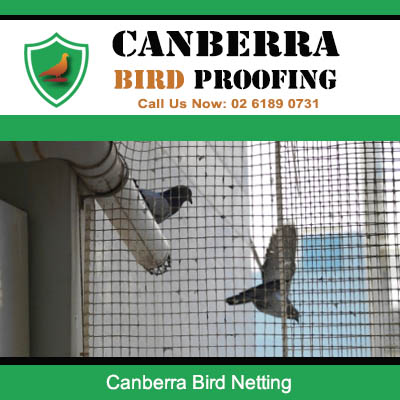
Choosing the right garden netting helps protect your Canberra garden from pests and wildlife. Residents of Canberra, whether living in the city or rural parts of the Australian Capital Territory (ACT), need good quality netting that suits local conditions. Garden netting keeps plants safe from birds and other species that can cause damage. Using Australian netting made for horticulture and pest control makes sure it lasts and works well.
Canberra garden netting comes in different types like bird netting, shade cloth, and pest control nets. These protect plants safely without harming wildlife. Whether you have a home garden or run commercial horticultural services, picking the right materials and designs helps create a healthy garden. Canberra’s climate needs strong netting that can handle summer heat, strong winds, and occasional hail.
What varieties of garden netting are available in the Canberra region?
In Canberra and the ACT, many kinds of garden netting are available to fit different needs. These include:
- Bird Netting: Keeps birds away from fruit trees, vegetables, and flowers without hurting them.
- Shade Cloth: Protects plants from the strong Australian sun while letting air pass through.
- Horticultural Netting: Used in both home and commercial gardens to protect different plants from pests and wildlife.
- Pest Control Netting: Fine mesh nets that stop smaller insects and animals from damaging plants.
- Wildlife Control Nets: Strong nets that keep larger animals out without harming the environment.
Each product differs in mesh size, material, and strength to suit Canberra's weather. Residents can pick sizes and colours that match their garden, making sure the netting works well and looks good.
How does the mesh size of netting impact which species it can deter?
The size of the mesh is important for stopping certain birds and pests. Common mesh sizes include 5 mm and larger. Each size fits different needs:
- Small Mesh (around 5 mm): Stops small birds and insect pests. This size keeps fine-billed bird species out and lowers damage caused by insects while letting air and sunlight reach plants.
- Larger Mesh: Good for keeping bigger birds and animals like parrots and possums away. Bigger holes make the net lighter and easier to put up but may let small pests through.
Using the right mesh size helps lower pest problems and stops serious harm to your plants. It also avoids trapping or hurting birds, making it a safe and natural way to protect your garden.
Considering material: What is the best netting material for Canberra's climate?
Picking the right netting material is key for lasting protection in Canberra’s climate. The ACT has hot summers, some hail, and changing rain. You need netting that is strong and can handle the weather.
Good materials for Canberra garden netting are:
- Polyethylene Netting: Does well against UV rays and does not break down quickly in summer sun. It is light and flexible.
- Polypropylene Netting: Strong and weather-resistant, good for long use outdoors.
- Shade Cloth: Made from woven fabric, it blocks UV rays well and helps control temperature and moisture around plants.
- Hardware-Grade Materials: Metal or reinforced nets are used in commercial gardens to resist wind and hail damage.
A good netting product uses smart design and modern materials to give safe and strong protection. Picking the right material for Canberra’s climate means your netting will last and work well for many years. This gives you peace of mind when protecting your garden from pests and wildlife.
Are you looking for netting for your Canberra garden? Share your questions or experiences below to help others choose the best garden protection in the ACT. For expert advice and high-quality garden netting, contact Bird Proofing Canberra today.
Installing Bird Netting Effectively
Securing Netting: What are the Best Practices to Prevent Birds Getting Trapped?
Bird netting Canberra residents use is a good way to control birds and protect backyard gardens from damage. To keep the netting safe for animals and birds, it is important to follow some simple steps when putting up the mesh.
Regularly check the netting for any holes or loose parts where birds or other wildlife could get stuck. The mesh size should stop small birds and animals from getting through but also avoid trapping them. Make sure the netting is tight and fixed well on all sides. Using bird deterrents along with the netting helps keep birds away without hurting them.
Good installation lowers the chance of injury or trapping animals. This fits with ACT wildlife rules that support safe pest control Canberra methods. Learning how to protect birds properly also helps care for native wildlife while keeping your garden safe from bird damage.
Is Professional Installation Required or Can It Be a DIY Project for Canberra Residents?
Choosing between professional bird netting services Canberra offers and doing it yourself depends on your skills, safety, and how difficult the job is. Bird netting solutions Canberra provide can be for small gardens or large homes.
Professional installers make sure the netting is fixed well and follows local wildlife safety rules. They know how to put up nets so no birds or animals are harmed. This is very important for ethical pest control. If you are not sure about safety or how to set it up, hiring a professional will save time and prevent problems.
Some Canberra residents may want to try a DIY project, especially for smaller areas. If you do this, follow instructions carefully and make sure the netting is secure to stop gaps or sagging. Think about costs, time, and if you might need to fix it later before deciding.
Getting advice from local experts can help you choose a safe and affordable option that fits Canberra’s wildlife rules.
What Are the Key Considerations for Installing Bird Netting on Fruit Trees?
When putting bird netting on fruit trees in Canberra orchards or gardens, some things matter a lot for success and plant health. The mesh should let air and sunlight in but keep birds out to protect fruit from damage.
Use strong netting made for pest control Canberra offers to last through weather like summer heat and rain. Some nets Canberra sellers have include shade cloth, which can protect plants from too much sun.
Install the netting carefully to avoid hurting helpful insects and wildlife. Make sure the net is tight around the tree so birds cannot get inside, but also easy to take off for picking fruit or checking the tree.
Check and maintain the net regularly to avoid wear or trapping animals. Protecting fruit trees with the right netting helps care for your garden and the environment, as local experts recommend.
Would you like to learn more about the best bird netting products for Canberra gardens? Please share your questions or experiences below! For helpful advice and trusted bird netting services Canberra offers, contact Canberra Bird Proofing for solutions designed for your property.
Maintaining Your Bird Netting in the ACT
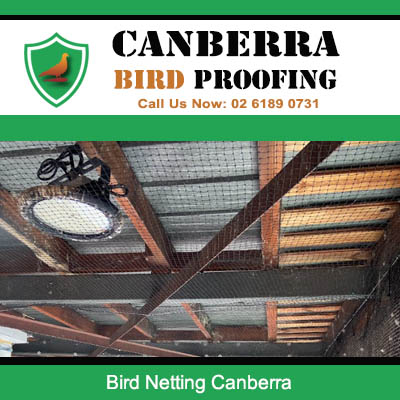
How frequently should netting be inspected for damage?
You should check your bird netting regularly to make sure it stays in good shape and works well. It is best to inspect the netting every three months. Also, check it after strong winds or storms because these can cause damage. Regular checks help find tears, holes, or loose spots where birds or wildlife might get in.
Netting on residential properties like gardens and balconies needs extra attention. Finding problems early stops birds from getting hurt and keeps pests away from your property. In the ACT, summer is a busy time for birds, so more frequent checks help with pest control Canberra and wildlife control Canberra.
Make it a habit to inspect your netting often to keep your home and local birds safe. Fix any damage quickly to keep the netting working properly.
Repairing Netting: What is the best way to mend tears and holes?
To fix tears and holes in bird netting, use good quality materials and the right method to make repairs last and stay safe. Here are some tips:
- Look at the size and place of the damage to decide if you need to patch it or replace that part.
- Use mesh patches that match or are similar to your netting.
- Secure the patches with weatherproof and UV-resistant ties like nylon or stainless steel.
- For bigger jobs, ask a professional bird netting solutions Canberra service for help to make sure the repair lasts.
For small tears, you can do it yourself using strong mesh patches and fasteners. Always make sure repairs are safe so birds don’t get stuck or hurt. Keeping up with repairs will help your netting last longer and protect your birds better.
How do I correctly clean bird netting to prevent algae growth?
Cleaning your bird netting often helps stop algae from growing. Algae can weaken the netting and make it less useful. Follow these simple steps to keep your netting clean:
- Use a gentle spray of water. Rain usually cleans outdoor netting well. When needed, use a low-pressure hose to avoid damage.
- Remove bird droppings quickly. Droppings feed algae. Brush them off gently with a soft brush.
- Use eco-friendly cleaning products. Mild, biodegradable soaps are safe for your garden and wildlife in Canberra.
- Don’t use harsh chemicals or rough tools. These can harm the netting and lower its UV resistance.
- Let the netting dry in the sun. Sunlight’s UV rays help stop algae and keep the netting strong.
Keeping your netting clean helps it last longer and keeps your garden healthy. Regular care supports pest control Canberra efforts and keeps your bird netting working well as a natural barrier.
Addressing Common Bird-Related Issues in Canberra
Deterring Pigeons and Which strategies are most successful for pigeon control?
Pigeons are a common bird pest in Canberra. They often cause damage and create infestations in backyards, gardens, and around properties. Knowing how pigeons behave helps in controlling them well. Pigeons like to roost and nest in sheltered spots, making them tough pests to manage.
The best pigeon control methods use humane and eco-friendly bird deterrents. These reduce damage and protect local wildlife. Some effective ways include:
- Physical Barriers: Using bird netting across Canberra stops pigeons from reaching places like eaves, balconies, and garden sheds.
- Spikes and Slopes: These stop pigeons from landing on ledges and roofs.
- Visual and Sound Repellents: Reflective tape, fake predator birds, and ultrasonic devices scare pigeons by targeting their natural fears.
- Habitat Management: Removing food sources and cleaning areas regularly keeps pigeons away.
Using several of these methods together usually works best. Eco-friendly options help control pigeons without harming the environment.
Preventing Ravens and How can you protect your property from raven damage?
Ravens are smart birds that can damage trees, gardens, and homes. In Canberra, managing ravens means understanding their behaviours and the risks they bring.
Stopping raven damage needs wildlife-friendly ways that control pests but also protect native birds. Good bird control in Canberra includes:
- Tree and Garden Protection: Bird netting and covers on fruit trees and shrubs keep ravens from feeding and nesting.
- Property Maintenance: Keeping bins closed, picking up fallen fruit, and cleaning outdoor spaces make homes less attractive to ravens.
- Eco-Friendly Bird Deterrents: Using safe, non-toxic repellents and gentle scare methods follow local wildlife rules and help the environment.
- Legal Considerations: Ravens are protected by some Australian laws. Only legal and kind bird control methods should be used.
These steps help lower damage caused by ravens while keeping native birds safe. Regular checks and quick action help stop infestations early.
What are eco-friendly methods for deterring birds around solar panels?
Solar panels in the Australian Capital Territory attract birds. Birds can cause damage and add to maintenance because of droppings and nests. Using eco-friendly bird deterrents protects solar panels without harming wildlife or nature.
Good eco-friendly bird proofing for solar panels includes:
- Bird Netting: Fine mesh netting stops birds from nesting or sitting on panels. It lets sunlight and air through so panels work well.
- Non-Toxic Repellents: Safe gels and sprays keep birds away without chemicals that harm the environment.
- Physical Barriers: Spike strips or angled covers on panel frames stop birds from landing.
- UV Reflective Devices: These use light reflections to keep birds off without noise or harsh actions.
These methods also help stop algae growth by reducing bird droppings that block sunlight. They support humane bird control and keep solar panel areas natural.
Using these eco-friendly ways keeps solar panels safe while following environmental rules in Canberra.
Have questions about bird control in Canberra?
Share your experiences or concerns about birds on your property or in your garden. Your feedback helps us offer better solutions for the community.
For expert advice and bird proofing services, contact Canberra Bird Proofing. Our team uses humane, effective, and eco-friendly bird control that Canberra residents trust to protect homes and wildlife.
Bird Netting and Local Regulations in Australia
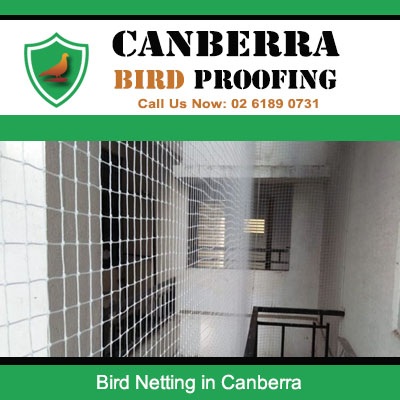
What are the local guidelines regarding bird protection netting in Canberra?
In Canberra, which is part of the Australian Capital Territory (ACT), there are clear rules for using bird protection netting. These rules help protect native birds while allowing people to keep their homes and businesses safe. The ACT government has laws that make sure bird netting is used safely and does not harm wildlife.
Anyone installing bird netting in Canberra must follow ACT wildlife laws. This means using safe and wildlife-friendly netting that does not trap or hurt birds. Sometimes, a permit is needed, especially if protected species live nearby. Professional pest control services in Canberra can check and install netting to meet these rules. This helps keep both people and birds safe and supports local conservation efforts.
Are there any restrictions on types of netting in the Australian Capital Territory?
Yes, the Australian Capital Territory has rules about what kinds of bird netting can be used. Some netting materials and mesh sizes are not allowed because they can harm birds or trap them. For example, nets with holes that are either too big or too small can cause injuries or catch birds by mistake.
The ACT government only approves netting made from eco-friendly materials that are safe for wildlife. Bird netting used for pest control must meet these standards to follow the law and work properly. Using approved netting helps protect native birds and supports the government’s efforts for safe bird pest control. This also fits with integrated pest management (IPM) methods promoted in Canberra.
What is the cost to comply with laws about wildlife protection when using netting?
Following wildlife protection laws when installing bird netting in Canberra usually comes with some costs. These may include fees for permits, payment for professional inspection, and charges for installation or repair services. If you do not follow the rules, the government can issue fines.
Using bird netting services in Canberra that follow ACT laws helps ensure good quality work and a better experience for customers. Professionals provide full pest control services, including checking, installing, and maintaining your netting to meet legal standards. Costs vary depending on the size and type of property. Investing in approved bird netting helps protect both your property and native wildlife over time, making it a smart choice for pest control.
If you have questions about bird netting rules or need help with legal bird protection, contact Canberra Bird Proofing. They offer expert advice based on local laws and help keep your property safe and friendly to wildlife.
Canberra Bird Netting Insights
- We provide bird netting solutions across the Australian Capital Territory to protect homes, farms, and businesses from bird pests in Canberra and nearby areas.
- Our bird nets Canberra services stop Australian birds and native wildlife from harming property, crops, and fruit trees, giving reliable pest control for locals.
- We install strong Canberra bird protection netting that suits local wildlife and follows ACT rules, helping keep birds and bats away safely.
- Our services cover Canberra wildlife control, dealing with birds, ants, termites, and other pests affecting gardens, parks, and building sites.
- Using bird spikes and netting for birds stops birds from nesting or roosting, protecting buildings and preserving seeds and fruits in farming areas.
- We choose netting for wild birds in Canberra carefully to protect birds and the environment while supporting local community care and wildlife custodianship.
- Our pest control methods combine netting and other steps to block birds during busy times like spring, keeping properties safe year-round.
- We offer advice on bird behaviours and fit netting that lasts, lowering problems from droppings, noise, and damage.
- Delivery and setup are quick across Canberra ACT and Australia, with clear help and information through newsletters and educational material.
- Our team talks about net safety, injury risks, and how netting affects wildlife, making sure our solutions are safe and fair to animals.
- We help clients follow local rules about birds and wildlife in the ACT, including tax and community laws.
- Our products use the latest materials and tech to handle Australia’s weather, offering strong netting solutions.
- We serve many clients, from small bus shelters to large farms needing fruit fly control, showing our wide skills and focus on customers.
- Our work includes handling urban wildlife challenges like snakes by combining bird netting with wider animal protection plans.
- We keep customers updated with news and tips to help them choose the best bird netting and wildlife care in Canberra. Latitude: -35.28276525162429, Longitude: 149.14556069532316